
You assess the patient. Nobody assesses the workplace.
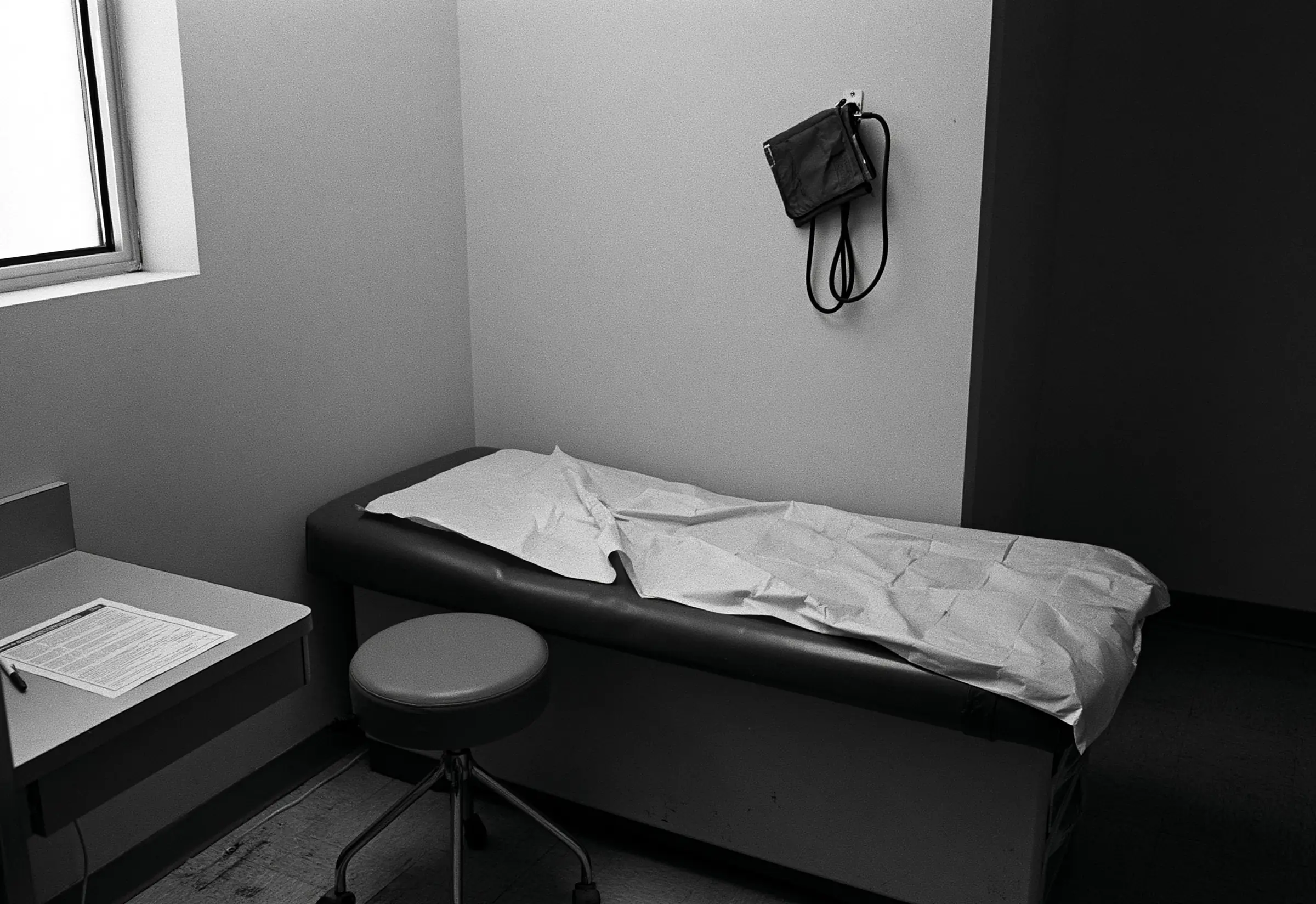
A functional capacity form asks what your patient can do. It does not ask what they are being sent back into. You are asked to sign off on a return without being shown half of what decides it. This page is about that gap, and what is being built to close it.
The form asks one half of the question.
Recovery is shaped by leadership behaviour, organizational culture, communication, procedural fairness, and exposure to workplace psychological hazards. You are asked to make a judgement about a setting you have never seen and cannot ask about.
What you are asked
- What the patient can lift, carry and reach.
- How long they can sit, stand and concentrate.
- What date they can return.
What nobody asks
- Whether the supervisor made early, supportive contact, or none at all.
- Whether modified duties are real, or exist only on paper.
- Whether it is safe on that team to say the return is not working.
- Whether the response to the illness or injury did harm of its own.
Both columns decide whether a return holds. You are only ever shown one of them.

Many of your patients are recovering from two things.
An illness or injury, and the psychological impact of how their organization responded to it. The second is often the part that never reaches the chart, and it is frequently the part that decides whether a return holds.
A workplace is never neutral in a recovery. It is either part of the injury or part of the recovery. When you cannot tell which one you are signing a patient back into, that is not a gap in your assessment. It is a gap in what you were given.
What you can already do.
None of this asks anything unusual of you, and none of it depends on a standard that does not exist yet.
Ask the patient what the workplace was like before the leave, and treat the answer as clinical information rather than as background.
Write what you actually mean by a restriction, in terms a supervisor can act on without interpreting it.
Say when a return depends on conditions being met, rather than on a date.
Tell a patient who is being pushed that there is guidance written for them, and where to find it.
What is being asked of you, and what is not.
Not that you assess workplaces. That is not your job, it is not your training, and nobody here is asking for it. What is being built is a public standard for the other side of the decision, so that what a workplace owes a returning worker is written down and can be pointed at by the people whose job it is.
The evidence behind that position is public, organized by claim, with sources attached, so you can read it as evidence rather than take it as advocacy. Where we hold lived experience, we hold it in aggregate only. No patient is ever named, quoted or profiled.
Read the evidence as evidence.
Every claim names its source. The standard is not written yet. This is a plain non-profit rather than a charity, so there is nothing here to donate to and nothing being sold.
This page is one of five
If you need support right now, you do not have to wait for any of this.
If you are in immediate danger, call 911. To talk to someone now, call or text 9-8-8, Canada’s Suicide Crisis Helpline, any time, in English or French.
Provincial and territorial crisis lines, including Indigenous-specific lines, are on our crisis page.